
The Shift from Curative to Preventive Dentistry

The Shift from Curative to Preventive Dentistry
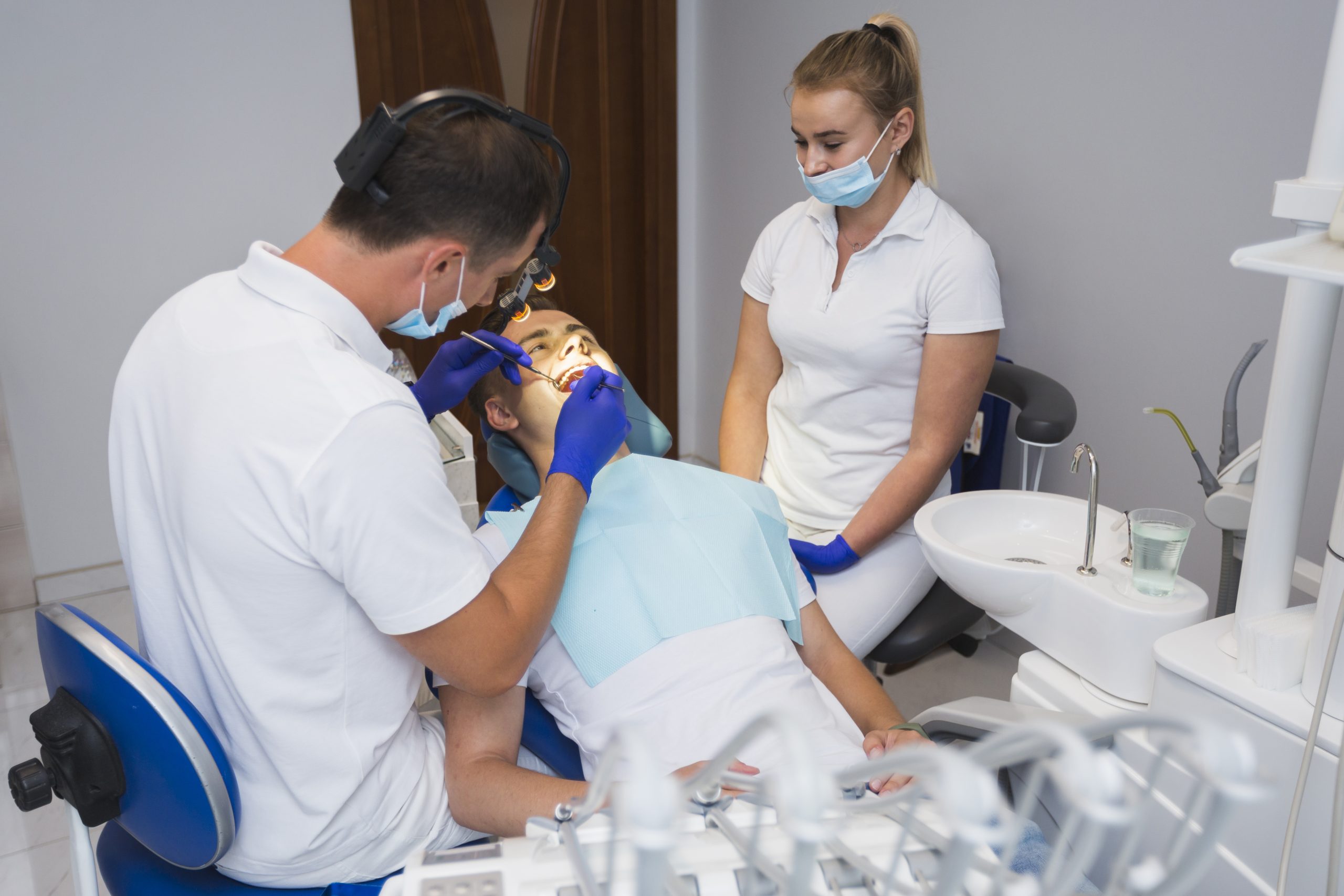
Dentistry is undergoing a quiet yet transformative evolution. For decades, oral healthcare was largely reactive, focused on treating disease after it occurred. Today, the profession is moving decisively toward a preventive model, emphasising early intervention, patient education and long-term oral health preservation. This shift from curative to preventive dentistry is redefining clinical practice, professional training and patient expectations worldwide.
At Manipal University College Malaysia, this transition reflects a broader commitment to future-ready healthcare education, one that prioritises sustainability, ethics and community well-being.
Understanding the Preventive Dentistry Approach
Preventive dentistry centres on maintaining oral health before disease develops. Rather than waiting for cavities, periodontal disease or tooth loss to emerge, dentists proactively identify risk factors and intervene early. This includes regular screenings, professional cleanings, fluoride applications, sealants, dietary counselling and patient education.
The approach recognises that oral health is deeply interconnected with overall health. Conditions such as diabetes, cardiovascular disease and respiratory infections often share links with poor oral hygiene. By preventing oral disease, dentists play a vital role in supporting systemic health.
Why the Curative Model Is No Longer Enough
Curative dentistry remains essential, but relying solely on treatment has clear limitations. Restorative procedures, fillings, crowns, root canals and extractions, address symptoms rather than underlying causes. They can be costly, invasive and emotionally taxing for patients.
Preventive dentistry offers a more sustainable alternative. Early detection reduces the need for complex interventions, lowers healthcare costs and improves long-term outcomes. For patients, it shifts the experience from anxiety-driven visits to proactive, confidence-building care.
Technology as a Catalyst for Prevention
Advancements in dental technology have accelerated the shift toward prevention. Digital imaging, intraoral scanners and diagnostic tools now allow dentists to detect problems at their earliest stages. Risk assessment models enable personalised care plans based on individual oral health profiles.
In addition, data-driven dentistry supports monitoring trends over time, helping clinicians anticipate issues before they escalate. These innovations empower dentists to act as educators and advisors, not just treatment providers.
The Expanding Role of Patient Education
Preventive dentistry places patients at the centre of care. Education around oral hygiene practices, nutrition, tobacco cessation and lifestyle choices is integral to long-term success. When patients understand the “why” behind recommendations, they become active partners in maintaining their oral health.
This collaborative model builds trust and encourages consistency, particularly among younger populations where lifelong habits are formed. Preventive care thus extends beyond the clinic into homes, schools and communities.
Implications for Dental Education and Careers
The shift toward prevention has reshaped dental education. Modern dental programmes emphasise risk assessment, behavioural sciences, community dentistry and public health. Students are trained to think holistically, evaluating social, economic and behavioural factors that influence oral health.
At Manipal University College Malaysia, this forward-looking approach equips future dentists with the skills needed to serve diverse populations and contribute meaningfully to public health initiatives. Graduates are prepared not only for clinical excellence but also for leadership in oral health promotion.
Healthier Future Through Prevention
Preventive dentistry represents a mindset shift, from repairing damage to preserving health. It aligns clinical excellence with compassion, sustainability and long-term impact. As awareness grows, patients increasingly value dentists who help them avoid disease rather than simply treat it.
By embracing this evolution, institutions like Manipal University College Malaysia are shaping a new generation of dental professionals, ones who see prevention not as an add-on, but as the foundation of ethical, effective and modern dental practice.
FAQ’S
1. What is preventive dentistry?
Preventive dentistry focuses on maintaining oral health and preventing dental diseases before they develop through regular check-ups, cleanings, early diagnosis and patient education.
2. How is preventive dentistry different from curative dentistry?
Curative dentistry treats existing dental problems such as cavities or gum disease, while preventive dentistry aims to stop these conditions from occurring in the first place.
3. Why is preventive dentistry important for long-term oral health?
Preventive dentistry helps reduce tooth decay, gum disease and tooth loss, ensuring better oral health outcomes and lowering the need for complex dental treatments.
4. What are the key practices involved in preventive dentistry?
Key practices include routine dental examinations, professional cleanings, fluoride treatments, dental sealants, oral hygiene education and dietary counselling.
5. How does preventive dentistry reduce overall healthcare costs?
By identifying dental issues early, preventive care minimises the need for expensive and invasive procedures, making oral healthcare more affordable and sustainable.
6. What role does patient education play in preventive dentistry?
Patient education empowers individuals to maintain good oral hygiene habits, make informed lifestyle choices and actively participate in their oral health management.
7. How has technology supported the shift toward preventive dentistry?
Digital imaging, early diagnostic tools and risk assessment technologies allow dentists to detect potential problems sooner and plan personalized preventive care strategies.
8. Is preventive dentistry important for children and adolescents?
Yes. Preventive dentistry is crucial during early years as it helps establish healthy habits, prevents early tooth decay and supports proper dental development.
9. How does preventive dentistry impact dental education and training?
Modern dental education emphasises prevention, public health, behavioural sciences and community dentistry to prepare students for holistic, patient-centred care.
10. Why is preventive dentistry emphasised at Manipal University College Malaysia?
Manipal University College Malaysia integrates preventive dentistry principles into its curriculum to prepare future dentists for modern, ethical and community-focused dental practice.