
The Psychology of a Healer: Why Emotional Intelligence Matters in Medicine

The Psychology of a Healer: Why Emotional Intelligence Matters in Medicine
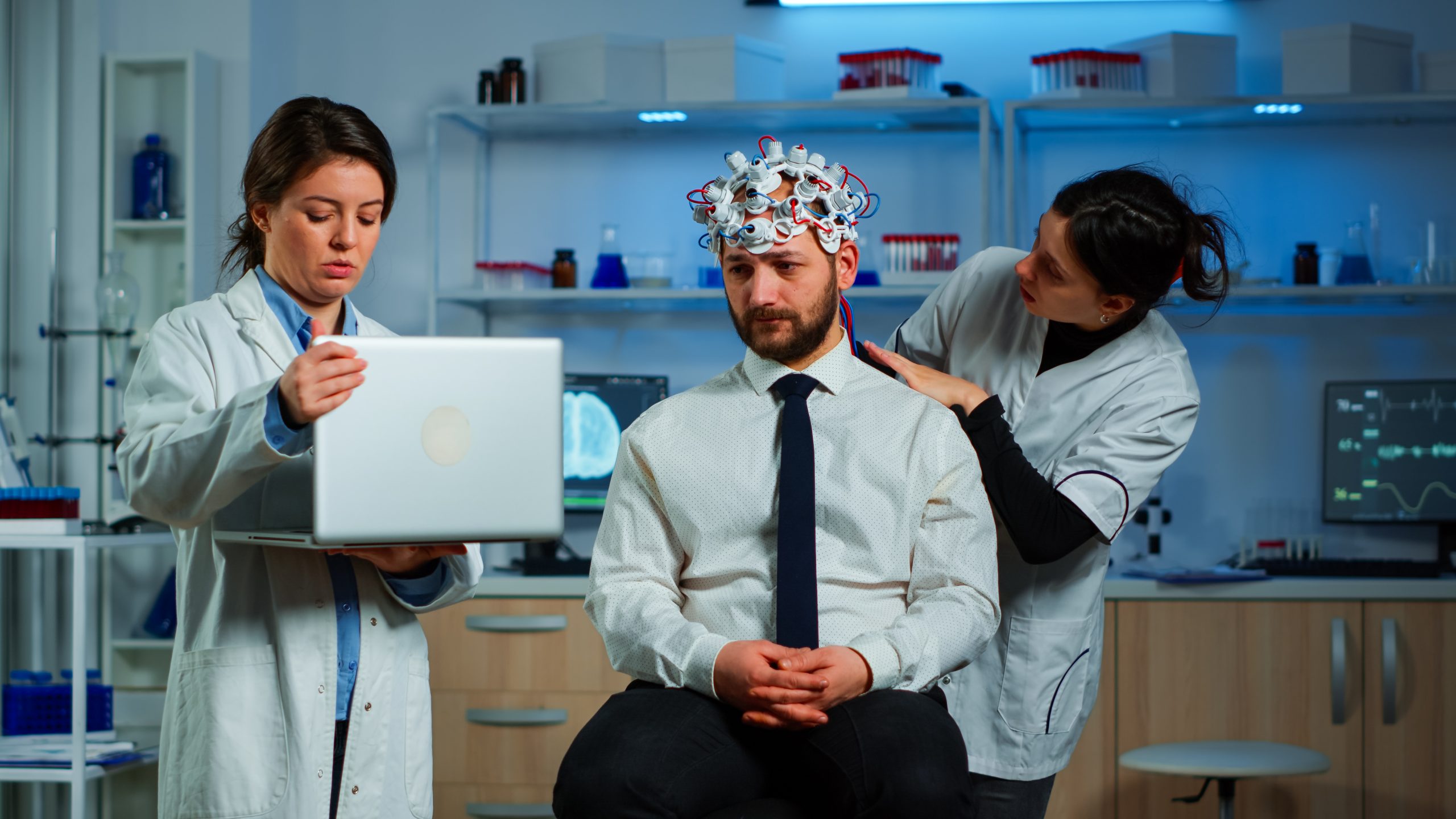
Modern medicine has evolved with breathtaking speed, advanced diagnostics, AI-driven predictions, robotic surgeries. Yet, the essence of healing remains deeply human.
Behind every successful treatment is a connection, a doctor’s ability to understand not just the illness, but the person living with it. This emotional understanding, often referred to as emotional intelligence (EQ), has emerged as one of the most defining qualities of a healer.
As the future of healthcare grows ever more complex, emotional intelligence is no longer a soft skill; it is a core competency. And for the next generation of doctors, learning to lead with empathy may be just as critical as mastering anatomy.
Emotional Intelligence: The Silent Competency in Medicine
While IQ measures what doctors know, EQ defines how they apply it. Emotional intelligence encompasses self-awareness, empathy, self-regulation, motivation, and social skills, all essential in a profession built on trust and compassion.
Doctors with higher EQ are better equipped to manage stress, communicate with clarity, and create supportive patient relationships. Studies increasingly show that empathy and emotional attunement improve patient satisfaction and even clinical outcomes.
Beyond Empathy: The Psychology of a Healer
Empathy alone doesn’t make a great healer; it’s the balance between emotional sensitivity and psychological resilience.Medical professionals often encounter grief, uncertainty, and moral dilemmas. Emotional intelligence helps them process these experiences without detachment or burnout. It allows them to remain compassionate without being consumed, objective without being cold.
Emotional Intelligence in Practice: From Classroom to Clinic
In medical education, technical proficiency is vital, but so is emotional literacy.
At Manipal University College Malaysia, training goes beyond anatomy and diagnostics. Students are encouraged to cultivate interpersonal awareness through patient interactions, peer discussions, mentorship, and community outreach. They learn to read emotions as fluently as symptoms, to listen, pause, and connect. This approach transforms medical students into well-rounded professionals capable of leading with both skill and sensitivity.
The Ripple Effect: Emotionally Intelligent Healthcare Systems
A doctor’s emotional intelligence influences more than patient care, it shapes the entire healthcare ecosystem.
Teams led by emotionally intelligent professionals tend to communicate better, resolve conflicts faster, and maintain morale under pressure. In a world where burnout among healthcare workers is rising, EQ becomes a quiet form of leadership, sustaining both the caregivers and the cared for.
Conclusion: Shaping the Doctors of Tomorrow
The medicine of the future will be defined as much by heart as by innovation. At Manipal University College Malaysia, the goal is not just to train doctors who can treat diseases, but to nurture healers who understand the human experience of illness.Because when emotional intelligence meets medical expertise, healing becomes more than a science, it becomes an act of humanity.
Discover how Manipal University College Malaysia nurtures both the mind and the heart, shaping doctors who redefine what it means to heal. https://manipal.edu.my/