
The Future of Medicine: Why Interdisciplinary Learning Is the New Must-Have Skill

The Future of Medicine: Why Interdisciplinary Learning Is the New Must-Have Skill
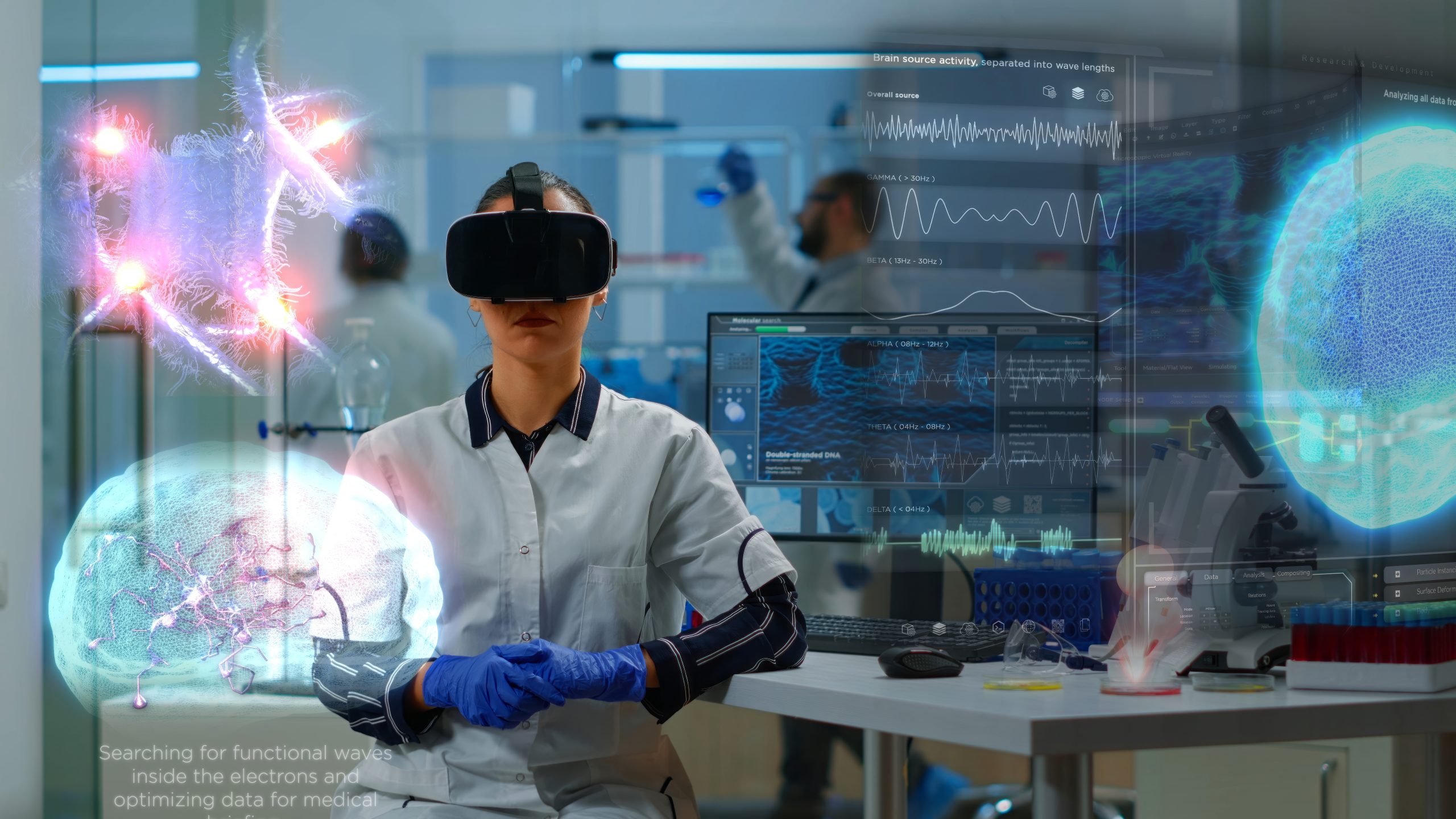
Introduction: A New Era in Healthcare Education
Healthcare is evolving at a pace never seen before. From AI-enhanced diagnostics to holistic patient management, today’s medical landscape demands far more than textbook knowledge. The future clinician must be adaptable, collaborative, and equipped with the ability to work seamlessly across disciplines. This is where interdisciplinary learning becomes not just valuable, but essential.
For institutions like Manipal University College Malaysia (MUCM), this shift represents an opportunity to shape graduates who are not only clinically competent but also future-ready.
Why Interdisciplinary Learning Matters in Modern Medicine
- Healthcare Challenges Are No Longer One-Dimensional
- The Rise of Team-Based Care
- Enhancing Clinical Judgement Through Shared Expertise
- Strengthening Communication & Patient Interaction
- Embracing Digital & Technological Innovation
- Cultivating Leadership & Professionalism
- Shared Learning Ecosystems
- Clinical Exposure That Mirrors Real Healthcare Settings
- Research Opportunities Across Disciplines
Chronic diseases, ageing populations, complex oral-systemic links, and lifestyle disorders require integrated care plans. A single clinician cannot address everything in isolation.
Interdisciplinary learning helps students understand the interconnected nature of health and equips them to deliver truly patient-centred care.
Hospitals today rely on teams consisting of doctors, dentists, radiographers, physiotherapists, lab technologists, and nutritionists. Collaboration ensures accurate diagnoses, faster recovery, better prevention strategies, and fewer clinical errors.
Students trained in interdisciplinary environments enter the workforce already comfortable with shared decision-making.
When students learn alongside peers from MBBS, BDS and Allied Health programmes, they gain a broader understanding of patient pathways. This improves clinical reasoning, builds stronger judgment, and encourages holistic management rather than siloed interventions.
How Interdisciplinary Learning Shapes Future-Ready Clinicians
Communicating with colleagues across departments trains students to articulate clinical findings clearly and confidently. This skill directly translates into better patient communication, one of the strongest predictors of positive outcomes.
AI tools, digital imaging, electronic dental records, telehealth, and remote monitoring all rely on interdisciplinary use. A radiographer’s insights can improve a dental treatment plan; a physiotherapist’s guidance can refine a surgeon’s post-operative protocol.
Students who understand these cross-functional workflows become naturally more tech-savvy and adaptable.
Interdisciplinary environments nurture leadership by placing students in real-world collaborative scenarios. They learn to take initiative, respect diverse expertise, handle conflict constructively, and make informed decisions, qualities that define successful healthcare professionals.
Interdisciplinary Education at MUCM: A Transformative Advantage
While many institutions speak about collaboration, MUCM integrates it deeply across its programmes.
Students from MBBS, BDS, and AHS programmes benefit from shared facilities, clinical simulations, and early exposure to real-world healthcare systems. This environment mirrors the multidisciplinary teams they will eventually join.
From hospital rotations to community clinics and simulation labs, students observe how multiple disciplines converge around a single patient. This builds confidence, clarity, and an instinct for collaborative practice.
MUCM encourages cross-disciplinary research, from oral-systemic links to digital radiology and preventive medicine, allowing students to contribute to impactful, future-oriented studies.
Conclusion: Interdisciplinary Learning Is No Longer Optional, It’s Foundational
The world of healthcare is shifting towards integrated, technology-enabled, patient-centred systems. To thrive in this landscape, future clinicians must be trained to think beyond traditional academic boundaries.
Interdisciplinary learning doesn’t just prepare students for the future, it gives them the power to lead it.
At MUCM, this philosophy is already shaping a generation of healthcare professionals who are confident, collaborative, and globally competent.