
The Future of Medicine: How MUCM Integrates AI, Simulation, and Research into MBBS Training

The Future of Medicine: How MUCM Integrates AI, Simulation, and Research into MBBS Training
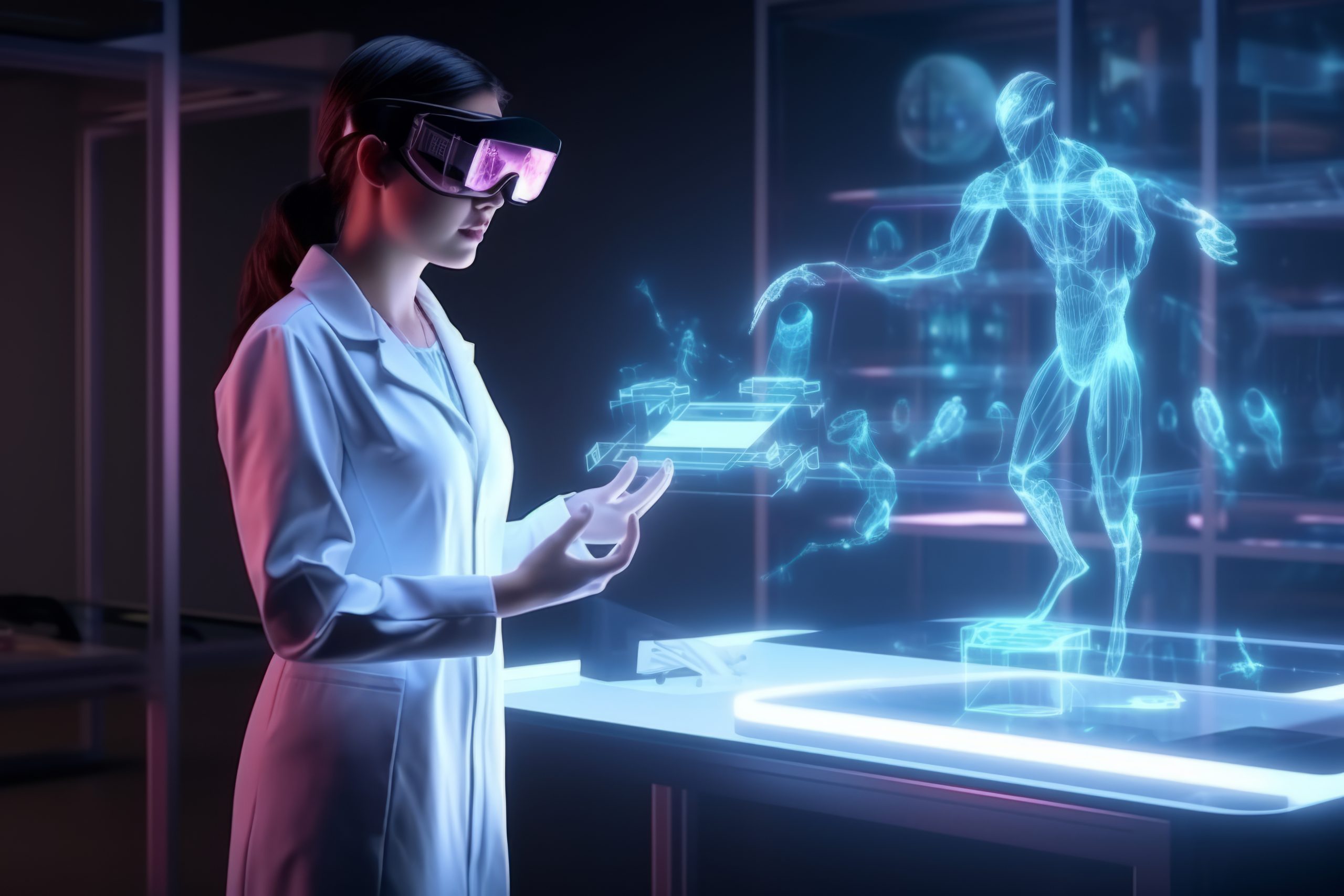
The landscape of modern healthcare is shifting faster than ever. With AI-driven diagnostics, data-centred decision making, and simulation-based learning reshaping global medical education, future doctors need more than traditional classroom training. Manipal University College Malaysia (MUCM) stands at the forefront of this transformation, bridging clinical wisdom with cutting-edge technology to prepare students for a world where medicine and innovation go hand in hand.
AI: Powering the Next Generation of Clinical Decision-Makers
Artificial Intelligence is rapidly reshaping the way healthcare is taught and practised worldwide. From predictive patterns to digitally enhanced diagnostics, AI is influencing how future doctors think, learn, and approach clinical problem-solving. At MUCM, students are encouraged to stay engaged with these emerging shifts in medicine through exposure to digital learning experiences, evolving healthcare technologies, and discussions around AI’s growing role in clinical environments.
Rather than focusing solely on tools, the emphasis is on building a mindset, one that values critical thinking, ethical use of technology, and an understanding of how digital advancements can support clinical judgement. This approach helps students develop the confidence to navigate a healthcare landscape where human expertise and technological innovation increasingly work side by side.
High-precision Simulation: Learning Without Risking Lives
One of the biggest challenges in medical education is converting theory into confident, hands-on practice. MUCM addresses this with state-of-the-art simulation labs that allow students to practise procedures, decision-making, and communication skills in a safe, controlled environment.
High-precision mannequins, virtual patient cases, and scenario-based simulations expose students to a wide range of clinical situations, from emergency response to routine examinations. Every session is monitored, recorded, and reviewed, helping students reflect on their performance, identify gaps, and grow with constructive feedback.
Simulation encourages active learning and ensures students step into clinical postings with stronger confidence, sharper skills, and an instinct for patient safety.
Research Integrated from Day One: Encouraging Scientific Curiosity
A future-ready doctor is more than a practitioner; they are a lifelong learner, a critical thinker, and a contributor to scientific progress. MUCM nurtures this mindset by embedding research literacy and hands-on research opportunities into the MBBS journey.
Students learn how to ask the right questions, analyse medical literature, interpret data, and participate in supervised projects across clinical, biomedical, or public health domains. MUCM regularly provides platforms for students to present findings in conferences and publications, shaping a culture of inquiry and academic growth.
This research-driven mindset ensures graduates are prepared for global careers, postgraduate training, and emerging roles in evidence-based healthcare.
Holistic Clinical Exposure: Where Technology Meets Real Patients
Even with advanced technology, the heart of medicine remains human connection. MUCM complements simulation and AI-driven learning with extensive clinical exposure in its network of teaching hospitals. Students apply technological insights in real patient interactions, bridging innovation with empathy, communication, and bedside practice.
This hybrid approach helps them transition seamlessly from classroom learning to real-world clinical environments, ensuring they are adaptable and practice-ready.
Why MUCM Leads the Future of Medical Education
MUCM’s approach is built on three pillars:
- Innovation: Integrating AI, digital tools, and simulation into core learning.
- Competency: Strengthening clinical reasoning, hands-on skills, and communication.
- Research: Encouraging students to engage in scientific exploration from early years.
By blending these pillars, MUCM cultivates doctors who are technologically fluent, clinically grounded, and globally relevant.
Shaping Tomorrow’s Healthcare Professionals
In a world where the medical field is evolving rapidly, MUCM ensures its students are equipped not only to adapt but to lead. With a curriculum infused with innovation, supported by experienced faculty, and strengthened by high-quality clinical exposure, MUCM empowers future doctors to thrive in tomorrow’s healthcare landscape.
The future of medicine is here, and at MUCM, it is already part of the MBBS journey.