
Sports, Neuro, Ortho, Cardio: How Physiotherapy Specialisations Shape Careers

Sports, Neuro, Ortho, Cardio: How Physiotherapy Specialisations Shape Careers
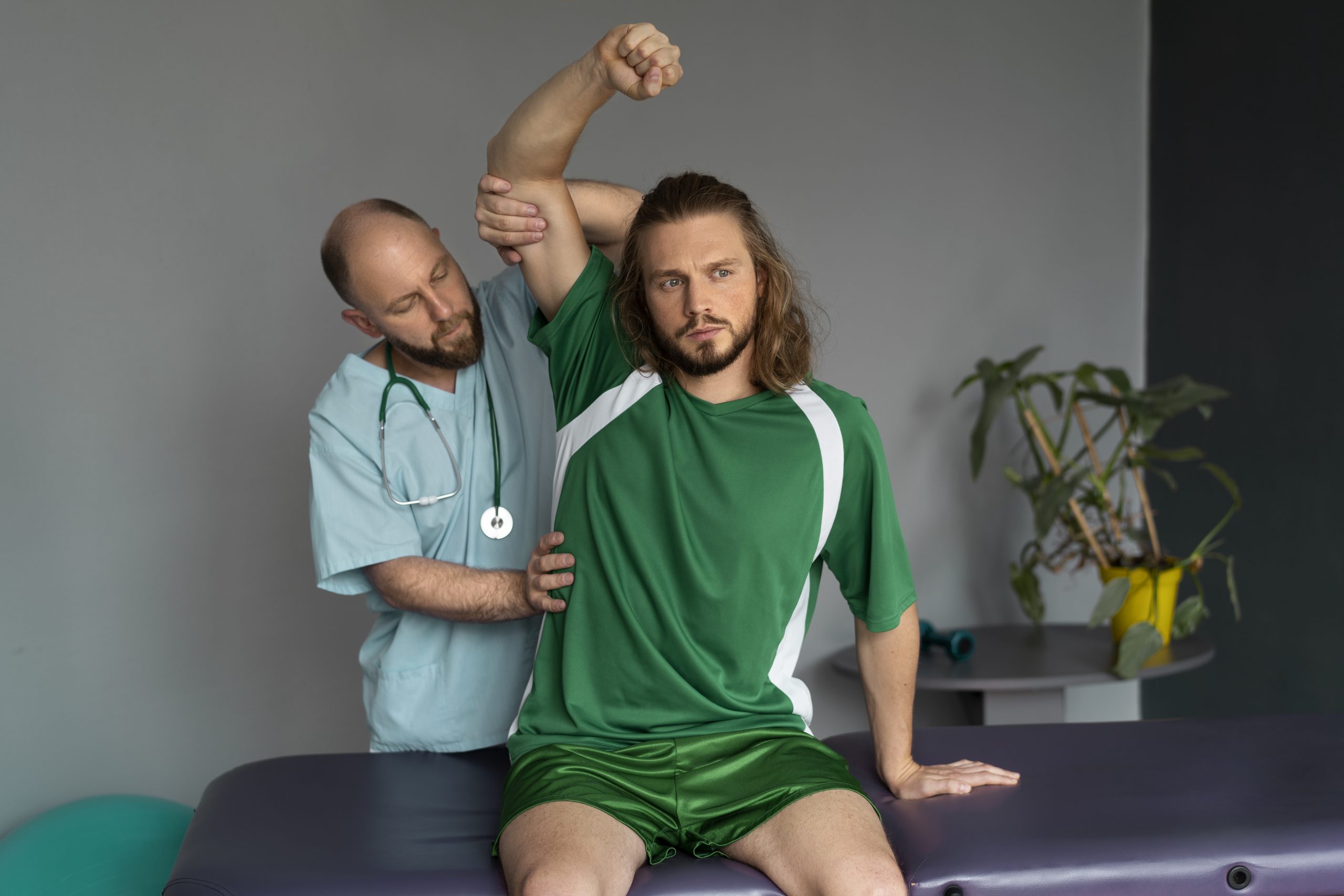
Physiotherapy has transcended its traditional role of “rehabilitation after injury” to become a dynamic, multifaceted healthcare profession. Today’s physiotherapists are not just clinicians, they are specialists, innovators and integral members of multidisciplinary healthcare teams. At Manipal University College Malaysia, the structured exploration of key physiotherapy specialisations, Sports, Neurological (Neuro), Orthopaedic (Ortho) and Cardiopulmonary (Cardio), offers students a roadmap to purposeful, future-ready careers.
Understanding the Spectrum of Specialisation
Each physiotherapy niche hones distinct expertise, expands clinical thinking, and connects graduates to specific populations, settings and professional opportunities.
1. Sports Physiotherapy: Performance, Prevention, Precision
Sport is an arena of human movement at its most demanding. Sports physiotherapists optimize performance, prevent injury and expedite recovery for athletes, from weekend warriors to elite professionals.
In this specialisation, students learn:
Biomechanics of movement
Advanced manual therapy and taping techniques
Sport-specific conditioning and load management
Injury risk assessment and return-to-play protocols
For many graduates, this leads to exciting career pathways with professional teams, private performance clinics, national sporting associations or in entrepreneurial roles as performance consultants. In a world increasingly attentive to health optimisation and injury prevention, the value of this specialisation continues to rise.
2. Neuro Physiotherapy: Rewiring Movement and Function
Neurological physiotherapy is rooted in the science of the nervous system. It focuses on individuals whose movement and function are compromised by conditions like stroke, spinal cord injury, Parkinson’s disease, multiple sclerosis and cerebral palsy.
Here, physiotherapists become experts in:
Neuroplasticity, the brain’s ability to reorganise after injury
Motor learning and control principles
Task-specific and functional rehabilitation
Balance, coordination and gait retraining
This field calls for clinical precision, empathy and inventive problem-solving. Graduates often work in specialised neurological centres, rehabilitation hospitals, community services and research environments. The impact is profound, restoring not only physical ability but dignity and independence.
3. Orthopaedic Physiotherapy: Musculoskeletal Mastery
Orthopaedic physiotherapy is the backbone of the profession. It concerns injuries, disorders and surgeries of the musculoskeletal system, bones, joints, muscles, tendons and ligaments.
Students in this stream master:
Assessment of joint mechanics and muscle function
Manual therapy and mobilisation techniques
Therapeutic exercise prescription
Post-operative rehabilitation protocols
As a result, orthopaedic expertise is highly portable across settings, from hospital wards and outpatient clinics to corporate wellness programmes. Graduates are well-positioned for roles in sport-medicine centres, private practice, ergonomic consultancy, and even product development or research in assistive technologies.
4. Cardiopulmonary (Cardio) Physiotherapy: Breathing Life into Recovery
Cardiopulmonary physiotherapy serves individuals with heart and lung conditions, whether in acute care following cardiac surgery or in chronic disease management such as COPD, heart failure or cystic fibrosis.
Key competencies include:
Airway clearance techniques
Exercise prescription for cardiovascular health
Patient education on lifestyle and risk factor modification
Post-operative and long-term rehabilitation strategies
This specialisation intersects with global health priorities, especially given the rise in cardiovascular and respiratory conditions worldwide. Graduates find rewarding careers in hospitals, cardiac rehabilitation centres, community outreach programmes, and public health initiatives.
Why Specialisation Matters
Specialisation sharpens clinical identity. It not only deepens knowledge and technical skill but also distinguishes practitioners in a competitive healthcare market. For graduates of Manipal University College Malaysia, choosing a focus area catalyses several career advantages:
Enhanced employability in targeted clinical settings
Leadership potential within niche teams
Research and innovation opportunities in specialised populations
Professional recognition through advanced certifications
Importantly, specialisation does not limit flexibility. Many physiotherapists integrate competencies across domains, blending orthopaedic precision with neurological insight, or applying cardiopulmonary principles in sports conditioning.
Shaping the Future of Movement Science
The future of physiotherapy lies in depth as much as breadth. Specialised pathways empower practitioners to influence patient outcomes, contribute to interdisciplinary healthcare and drive evolution within their fields.
At Manipal University College Malaysia, this blend of academic rigour, clinical exposure and professional guidance ensures that students not only graduate, they lead. Whether your passion lies in athletic performance, neurological recovery, musculoskeletal mastery or cardiopulmonary care, your physiotherapy journey begins with purposeful choice and becomes a career of meaningful impact.
FAQ’S:
1. What are the main specialisations in physiotherapy?
The main physiotherapy specialisations include Sports Physiotherapy, Neurological Physiotherapy, Orthopaedic Physiotherapy and Cardiopulmonary Physiotherapy. Each focuses on different patient needs, clinical skills and career pathways within healthcare.
2. Which physiotherapy specialisation has the best career scope?
Career scope depends on interest and demand. Sports and Orthopaedic Physiotherapy offer strong private practice and performance-based opportunities, while Neuro and Cardiopulmonary Physiotherapy are highly sought after in hospitals and rehabilitation centres.
3. What does a sports physiotherapist do?
A sports physiotherapist helps athletes prevent injuries, improve performance and recover safely after injury. They work with movement analysis, strength training, rehabilitation and return-to-play protocols across amateur and professional sports.
4. Is neurological physiotherapy a good career choice?
Yes. Neurological physiotherapy is a rewarding and in-demand field focused on conditions like stroke, spinal cord injury and Parkinson’s disease. It offers long-term career growth in rehabilitation hospitals, research and specialised care centres.
5. What is the difference between orthopaedic and sports physiotherapy?
Orthopaedic physiotherapy focuses on musculoskeletal conditions such as fractures, joint disorders and post-surgical rehabilitation, while sports physiotherapy emphasises athletic performance, injury prevention and sport-specific recovery.
6. What conditions are treated under cardiopulmonary physiotherapy?
Cardiopulmonary physiotherapy treats heart and lung conditions such as COPD, asthma, post-cardiac surgery recovery and chronic respiratory disorders, focusing on breathing techniques, endurance and cardiovascular fitness.
7. How do I choose the right physiotherapy specialisation?
Choosing a specialisation depends on clinical interest, patient interaction preference, work environment and long-term career goals. Exposure during clinical training helps students identify the area best aligned with their strengths and passion.
8. Can physiotherapists work internationally after specialising?
Yes. With the right qualifications and licensing, specialised physiotherapists can pursue international careers in hospitals, sports organisations, rehabilitation centres and research institutions across multiple countries.
9. Does specialisation improve salary prospects in physiotherapy?
Specialisation can enhance earning potential by opening advanced roles, private practice opportunities and niche expertise, particularly in sports, orthopaedic and cardiopulmonary physiotherapy.
10. Why study physiotherapy specialisations at Manipal University College Malaysia?
Manipal University College Malaysia offers structured clinical exposure, evidence-based learning and industry-aligned training, helping students build strong foundations and confidently pursue specialised physiotherapy careers.