
Physiotherapy in the Age of Technology: How AI and Robotics Are Changing the Profession

Physiotherapy in the Age of Technology: How AI and Robotics Are Changing the Profession
Reimagining the Healing Touch
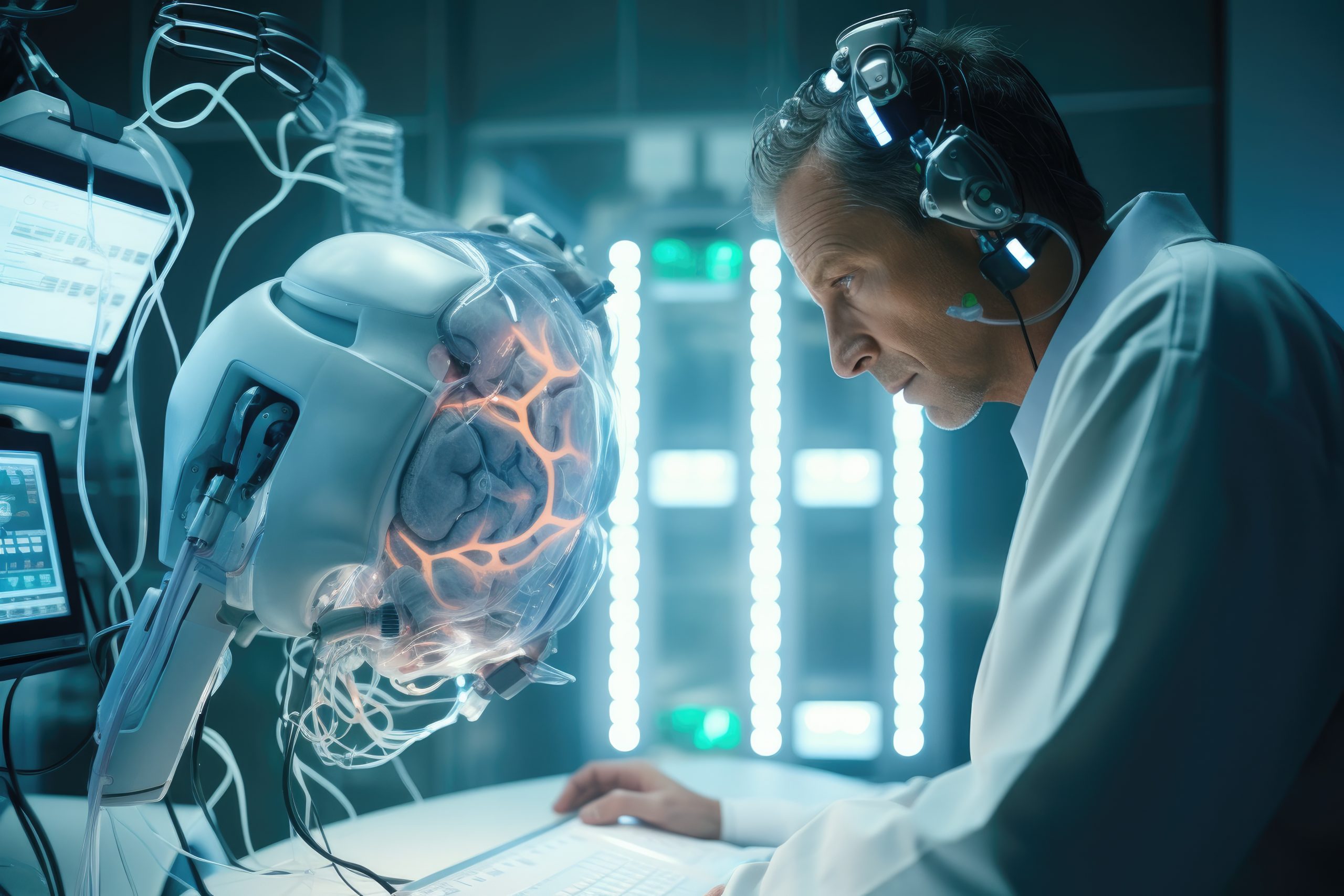
Physiotherapy has always been about the human connection, restoring mobility, relieving pain, and rebuilding confidence through expert care. Yet today, that healing touch is being amplified by technology. Artificial Intelligence (AI) and robotics are no longer futuristic concepts; they are active collaborators in patient care, transforming how physiotherapists assess, treat, and empower recovery.
At Manipal University College Malaysia (MUCM), this intersection of science and innovation is reshaping how we prepare the next generation of physiotherapists, professionals who will not only treat patients but also navigate intelligent systems, data-driven care, and robotic rehabilitation tools with confidence and empathy.
The Rise of Intelligent Rehabilitation
-
AI as a Clinical Partner
AI is redefining clinical precision. Through advanced motion-capture systems, wearable sensors, and predictive analytics, physiotherapists can now interpret movement data with unprecedented accuracy.
AI algorithms identify subtle gait abnormalities, track patient progress in real time, and even predict recovery timelines, empowering therapists to tailor treatment plans to each individual.
In practice, this means faster diagnosis, reduced guesswork, and truly personalised rehabilitation pathways. Patients receive care that adapts to their progress, not the other way around.
-
Robotics as the New Extension of Care
Robotic technology is making physiotherapy more powerful, and more consistent. From robotic exoskeletons that retrain patients with spinal injuries to assistive robotic arms for stroke rehabilitation, machines now provide the kind of repetition, precision, and endurance that human therapists alone cannot sustain.
These systems don’t replace therapists, they extend their reach, allowing them to focus on observation, patient engagement, and higher-level decision-making. The result: improved recovery rates, enhanced motivation, and measurable outcomes backed by real-time data.
Beyond the Clinic: Remote and Virtual Care
The COVID-19 pandemic accelerated the rise of tele-physiotherapy, and AI took it further. Today, smart rehabilitation platforms use AI-powered motion tracking and voice guidance to monitor home exercises, giving patients autonomy without compromising safety.
For physiotherapists, this marks the birth of a hybrid care model, one where treatment doesn’t end at the clinic door. It continues at home, supported by digital companions that record progress and alert clinicians to any setbacks. In countries like Malaysia, this also bridges the gap in access to physiotherapy for rural or mobility-challenged populations.
Reframing Physiotherapy Education
At MUCM, education evolves with the times. The Physiotherapy Programme integrates the study of anatomy and rehabilitation sciences with emerging exposure to digital health technologies.
Students are encouraged to think beyond manual therapy, to imagine how robotics, wearable sensors, and AI-driven analytics can improve the lives of patients. This future-ready approach ensures MUCM graduates are not only clinically competent but also technologically fluent and globally relevant.
Key areas shaping the future of learning include:
- AI-based assessment tools for movement analysis.
- Robotic simulation labs to train precision rehabilitation.
- Data-driven clinical decision-making modules.
- Interdisciplinary collaboration with biomedical engineers and data scientists.
By blending human expertise with machine intelligence, MUCM is nurturing physiotherapists who can lead, not just follow technological change.
Benefits and Gains for the Profession
- Efficiency & precision: Faster assessments, objective data, and therapy that adapts reduce guesswork and can improve outcomes.
- Scalability & access: Remote/robotic interventions can extend physiotherapy beyond major urban centres, enhancing equity of care.
- Enhanced professional role: Technological tools free therapists to focus on complex decision-making, therapeutic relationship, and innovation rather than routine tasks.
- Innovation mindset: Early adoption positions physiotherapy professionals as leaders in interdisciplinary health technology, an advantage for graduates at MUCM.
Challenges Worth Embracing
Innovation comes with responsibility. The integration of AI and robotics in physiotherapy raises vital questions about data privacy, accessibility, and ethics. Machines can measure movement, but empathy, motivation, and understanding remain uniquely human.
MUCM believes the physiotherapist of tomorrow must embody both: the precision of technology and the compassion of care. Our mission is to train professionals who use technology to enhance empathy, not replace it.
The Future Is Collaborative
Looking ahead, physiotherapy will continue evolving into a data-driven, technology-enabled, and patient-centred profession.
- AI will forecast recovery outcomes and personalise every stage of therapy.
- Robotics will enable intensive neurorehabilitation and faster reintegration.
- Virtual reality will gamify rehabilitation, making it more engaging and effective.
- And the physiotherapist will remain at the heart, guiding, interpreting, and humanising the process.
The future of physiotherapy isn’t human versus machine, it’s human with machine. Together, they are rewriting what’s possible in recovery, mobility, and well-being.
Conclusion
As technology continues to transform healthcare, physiotherapy stands at the forefront of meaningful innovation. AI and robotics are helping physiotherapists see further, act faster, and heal deeper,while preserving what truly matters: the connection between care and compassion.
At Manipal University College Malaysia, we prepare students for this evolving landscape, where science meets empathy, and technology becomes an ally in restoring movement and life.
The future of physiotherapy has arrived. And it’s intelligent, intuitive, and deeply human.