
MedTok & More: How Gen Z is Learning Medicine Through Social Media

MedTok & More: How Gen Z is Learning Medicine Through Social Media
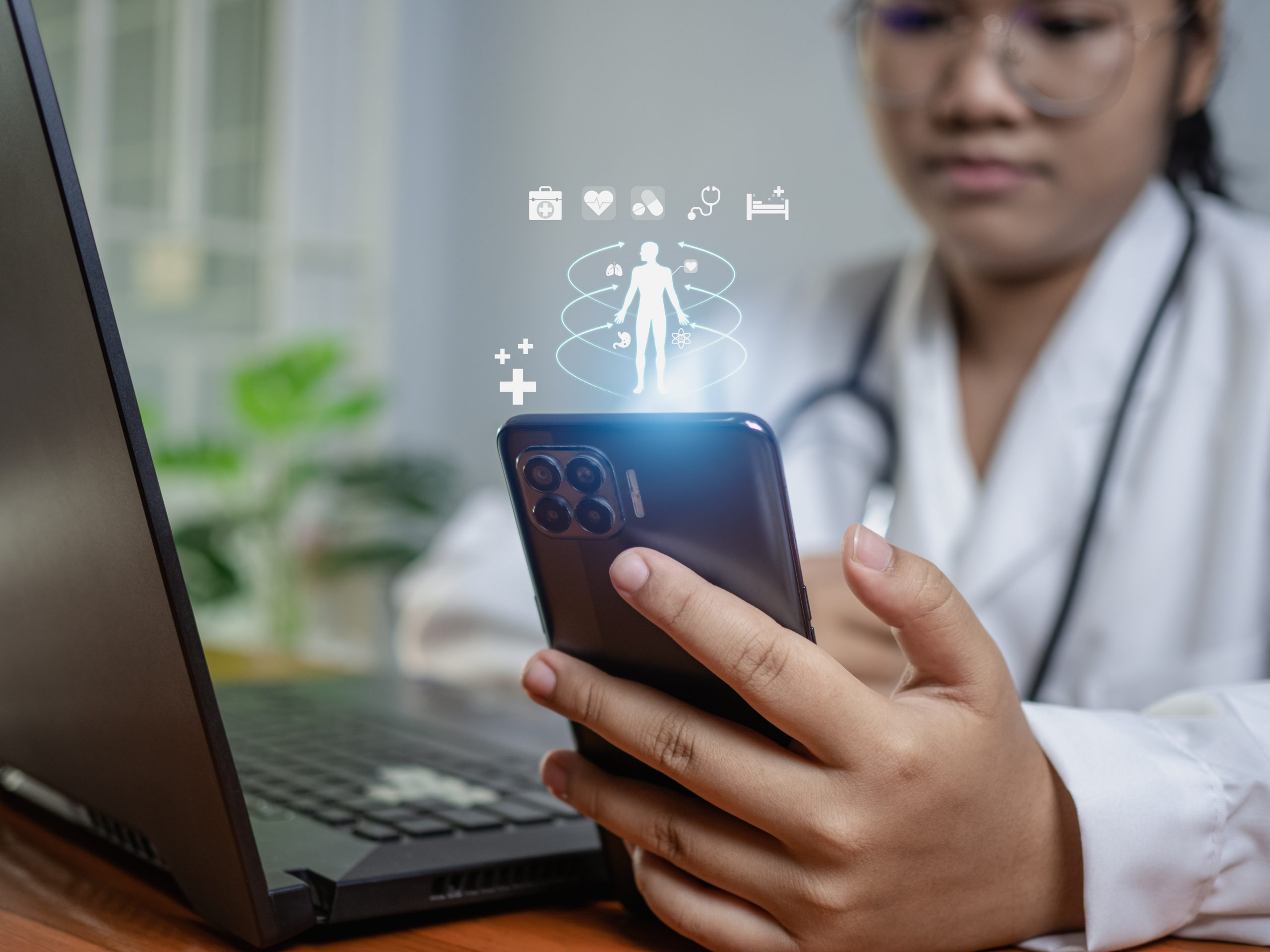
The Evolving Landscape of Medical Learning
Medical education has always reflected the times in which it exists. From handwritten notes to digital textbooks, each generation of learners has adapted to the tools available to them. For Generation Z, that tool is the smartphone, a gateway not only to entertainment and connection but increasingly, to education.
Social media platforms such as TikTok, Instagram, and YouTube have become unexpected yet significant spaces for learning medicine. These platforms offer medical students the ability to observe, engage, and absorb knowledge in real time. What once took place within the walls of a classroom now unfolds across screens, feeds, and global communities, marking a fundamental shift in how information is shared and understood.
From Lecture Halls to Learning Feeds
It would be easy to dismiss “MedTok” or short-form medical content as superficial. Yet, beneath the brevity lies a compelling truth: complex ideas are being communicated to vast audiences with clarity and creativity. Students revise anatomical concepts through animations, revisit pharmacological mechanisms through mnemonic-based videos, and follow physicians who demystify clinical procedures through thoughtful digital storytelling.
For many learners, this is not a replacement for formal study but a reinforcement of it. Visual, bite-sized content caters to contemporary attention patterns and strengthens recall. In essence, social media has become an auxiliary classroom, spontaneous, accessible, and continuously evolving.
Navigating the Grey Zone of Information
However, with accessibility comes ambiguity. The very openness that makes social media engaging also renders it vulnerable to misinformation. A well-edited video can be persuasive, but not always accurate. The challenge for this generation of learners lies not in finding information, but in discerning its authenticity.
Here, digital literacy becomes an essential skill, the ability to question, verify, and contextualise knowledge encountered online. Medicine demands rigour, and that rigour must extend to the way future doctors consume digital content. The physician of tomorrow must learn not only to read journals but to critically evaluate the credibility of a post that reaches millions overnight.
The Role of Universities in a Digital Age
As educators, we stand at a unique crossroads. Rather than resisting these new learning modes, universities can embrace and refine them. At Manipal University College Malaysia, medical education is envisioned as an ecosystem, one that respects tradition while integrating innovation.
Guiding students to engage responsibly with digital media, encouraging evidence-based content creation, and embedding media ethics within the medical curriculum are no longer optional add-ons; they are necessities. By mentoring students to become not just consumers but contributors of credible knowledge, institutions can uphold academic integrity in a rapidly changing digital world.
A Future Where Medicine Meets Media
Social media will continue to influence how knowledge travels. The responsibility lies in shaping how it is used. When students learn to blend the discipline of medicine with the reach of digital communication, they become more than practitioners; they become educators, advocates, and leaders in a connected world.
The convergence of medicine and media may once have seemed improbable, but today, it holds immense promise. As we prepare the next generation of healers, the task is not to shield them from new platforms but to guide them in using these platforms with purpose, precision, and integrity.
Conclusion: Learning, Leading, and Teaching in the Digital Era
At Manipal University College Malaysia, we believe that medical education must evolve alongside its learners. By cultivating both scientific depth and digital discernment, we empower students to navigate a future where medicine is not only practised in hospitals but also shared, ethically and intelligently, across the world’s digital classrooms.