
How Simulation Labs Improve Clinical Skills Before Students Enter the Real World

How Simulation Labs Improve Clinical Skills Before Students Enter the Real World
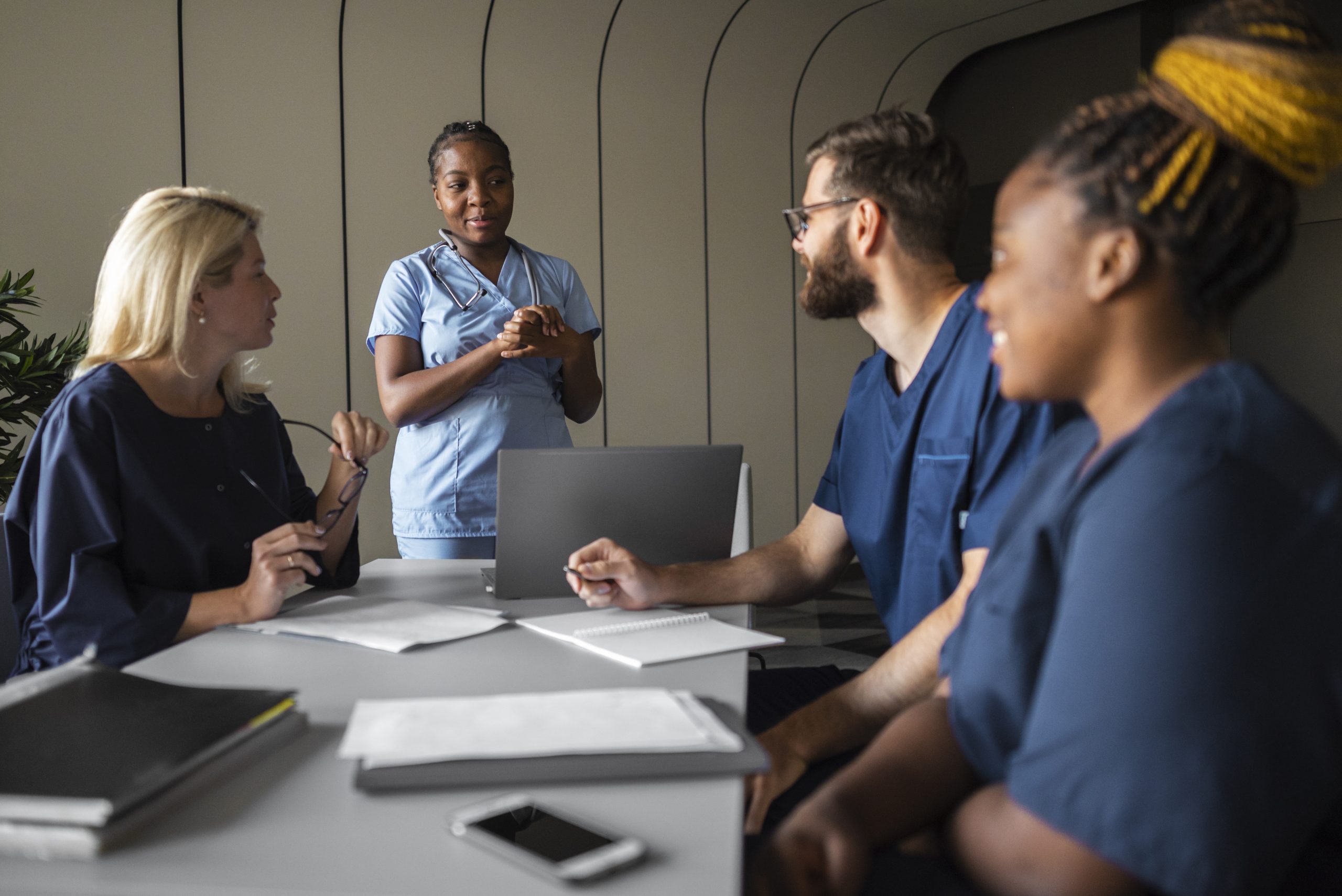
In modern healthcare education, mastering clinical skills is no longer confined to textbooks or observation alone. As patient safety, precision, and confidence become central to medical training, simulation laboratories have emerged as a powerful bridge between classroom learning and real-world clinical practice. For healthcare students, especially those in MBBS and allied health sciences, simulation labs play a crucial role in preparing them for the realities of patient care, long before they step into hospitals.
A Safe Space to Learn, Practise, and Make Mistakes
One of the greatest advantages of simulation labs is the risk-free learning environment they offer. Students can practise procedures such as patient assessments, injections, resuscitation, and emergency response without fear of harming real patients. Mistakes become learning opportunities rather than high-stakes failures. This repeated, supervised practice allows learners to refine their techniques, correct errors early, and build muscle memory, essential for clinical competence.
Bridging the Gap Between Theory and Practice
Healthcare education often faces a common challenge: translating theoretical knowledge into practical application. Simulation labs address this gap effectively. By recreating real-life clinical scenarios, ranging from routine examinations to complex emergencies, students learn how to apply medical concepts in context. This experiential learning strengthens understanding, improves retention, and enables students to think clinically rather than theoretically.
Building Confidence Before Clinical Exposure
Entering a real hospital setting for the first time can be overwhelming. Simulation-based training helps reduce this anxiety by familiarising students with clinical environments, equipment, and workflows. When students encounter similar situations during clinical postings, they are more confident, composed, and prepared. This confidence not only enhances learning outcomes but also positively impacts patient interactions and teamwork.
Enhancing Decision-Making and Critical Thinking
Simulation labs go beyond technical skill development. They are designed to improve clinical reasoning, decision-making, and problem-solving abilities. Through scenario-based learning, students must assess symptoms, prioritise interventions, and respond under pressure, skills that are vital in real-world healthcare settings. These simulations help students learn how to think on their feet while adhering to clinical protocols.
Encouraging Teamwork and Communication Skills
Healthcare delivery is inherently collaborative. Simulation labs often involve role-based scenarios where students work in teams, mirroring real clinical settings. This fosters effective communication, leadership, and coordination, skills that are just as important as medical knowledge. Learning to communicate clearly with colleagues and patients early in training leads to more competent and compassionate healthcare professionals.
Preparing Students for Global Healthcare Standards
Institutions like Manipal University College Malaysia integrate simulation-based learning facilities to ensure students are trained in line with international healthcare standards. Through well-equipped clinical skills labs, electronic dissection tables, smart classrooms, and the use of augmented and virtual reality technologies, students gain early exposure to realistic clinical scenarios.
This structured, hands-on approach, supported by guided practice and feedback, prepares medical science students to function confidently in diverse clinical environments. By emphasising ethical practice, patient safety, and clinical competence, this training builds a strong foundation for patient-centred care in real-world healthcare settings.
A Smarter Way to Learn Clinical Skills
Simulation labs are no longer optional, they are essential. By allowing students to practise, fail safely, reflect, and improve, simulation-based education ensures that future healthcare professionals enter the real world skilled, confident, and ready. As medical education continues to evolve, simulation labs remain a cornerstone in shaping competent clinicians who are prepared not just to treat patients, but to excel in real-world healthcare settings.