
From Digital Dentistry to Teledentistry: How MUCM Prepares Students for the Future of Oral Healthcare

From Digital Dentistry to Teledentistry: How MUCM Prepares Students for the Future of Oral Healthcare
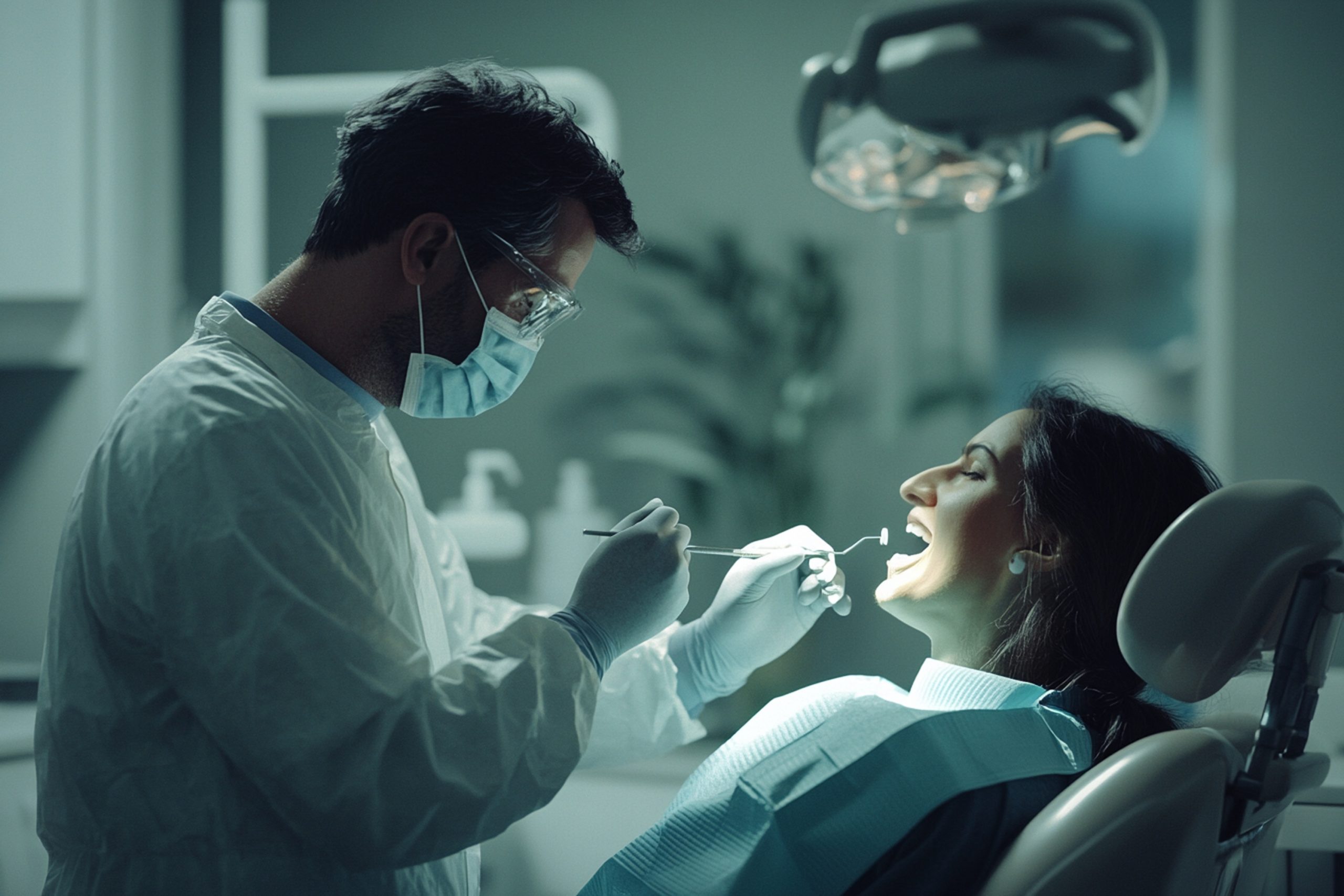
The field of dentistry is evolving at an unprecedented pace. From traditional chair-side treatments to cutting-edge digital solutions, oral healthcare is embracing a transformation that promises greater precision, efficiency, and accessibility. At the forefront of this evolution is Manipal University College Malaysia (MUCM), equipping its students not only with foundational knowledge but also with the skills required to thrive in the future of dental practice.
Embracing Digital Dentistry
Digital dentistry represents a paradigm shift in oral healthcare, integrating advanced technologies like 3D imaging, computer-aided design (CAD), and computer-aided manufacturing (CAM) into everyday practice.
The goal of computer-aided dentistry is to empower dental professionals with advanced tools for precise treatment. Using these technologies, a highly detailed 3D model of a patient’s teeth and oral cavity can be visualized on a computer or tablet, revealing issues that may be invisible to the naked eye. Some scanners are even capable of detecting early-stage caries, enabling preventive care before problems progress. The CAD/CAM workflow encompasses intraoral scanning, digital design, milling or 3D printing, and final placement in the patient’s mouth. Remarkably, this process can be completed in as little as 40 minutes, making single-visit treatments a reality. Studies show that integrating CAD/CAM solutions improves accuracy, reduces treatment time and cost, and enhances patient comfort.
At MUCM, students gain hands-on experience with state-of-the-art digital tools, learning to design and fabricate dental prosthetics with unmatched accuracy. The curriculum ensures that graduates are confident in leveraging technology to enhance patient care.
The Rise of Teledentistry
In today’s connected world, accessibility is key. Teledentistry is breaking down geographical barriers, allowing patients to consult with dental professionals remotely. While the pandemic brought teledentistry into the spotlight, the idea has been around for some time. Traditionally, it was used mainly in community and public health settings, often involving intermediaries like dental hygienists or nurses to gather patient information.
COVID-19 changed that, encouraging dental professionals to connect directly with patients through video calls, eliminating the need for someone else to be physically present. MUCM recognizes this shift and integrates telehealth principles into its programs. Students are trained in virtual patient assessments, digital record management, and remote consultation techniques, ensuring they are prepared to meet the demands of a digitally connected patient base.
Bridging Theory and Practice
What sets Manipal University College apart is its emphasis on experiential learning. Students are not only exposed to theoretical concepts but are also immersed in practical applications through clinical simulations and digital labs. This integrated approach fosters critical thinking, problem-solving, and adaptability, essential qualities in a rapidly evolving profession.
Preparing Leaders for Tomorrow’s Dentistry
Beyond technical skills, MUCM nurtures leadership and innovation. Students are encouraged to explore research in digital dentistry, contribute to advancements in teledentistry, and develop patient-centered solutions. The college’s commitment to holistic education ensures that graduates are not just practitioners but visionary leaders capable of shaping the future of oral healthcare.
Conclusion
As dentistry continues to evolve, the demand for professionals who can seamlessly blend technology with compassionate patient care grows. Manipal University College Malaysia stands at the nexus of this transformation, providing students with the knowledge, tools, and experiences necessary to excel in both digital dentistry and teledentistry. By fostering a culture of innovation, hands-on learning, and forward-thinking practice, MUCM prepares its students to not just adapt to the future of oral healthcare but to lead it.