
Why Foundation in Science Matters More Than You Think for Future Doctors
Why Foundation in Science Matters More Than You Think for Future Doctors

Why Foundation in Science Matters More Than You Think for Future Doctors
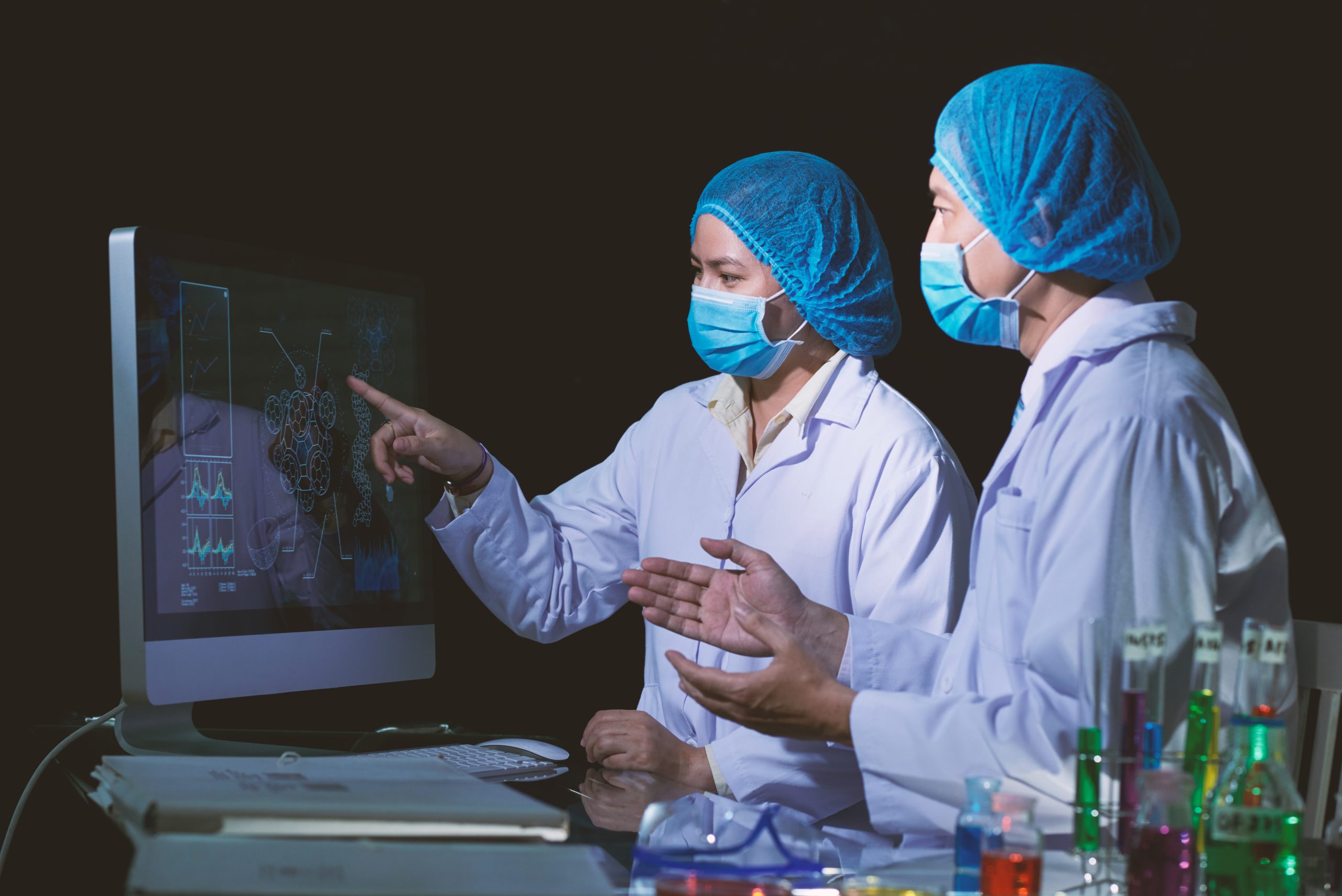
Becoming a doctor is often imagined as a journey that begins in medical school, white coats, anatomy labs, and clinical rotations. But in reality, the path toward a career in healthcare starts much earlier. The scientific foundation students build before entering undergraduate programmes often determines how effectively they adapt to the demanding world of health sciences.
A strong grounding in science does more than prepare students academically. It shapes how they think, analyse, and solve problems, skills that every future doctor must develop long before stepping into a hospital setting.
The Science Behind Medical Thinking
Medicine is rooted in science. Every diagnosis, treatment plan, and medical breakthrough is based on scientific understanding. From how the human body functions to how medications interact with cells, foundational sciences like biology and chemistry form the backbone of medical knowledge.
For aspiring healthcare professionals, these subjects are not simply academic requirements, they are the language of medicine. Understanding scientific principles allows students to interpret complex information, analyse medical conditions, and approach healthcare challenges with clarity and confidence.
Without a strong base, the transition into intensive undergraduate programmes such as medicine or pharmacy can become significantly more challenging.
Bridging the Gap Between School and Health Sciences
Recognising the importance of early academic preparation, Manipal University College Malaysia offers the Foundation in Science (FIS) programme, an academic bridge designed to prepare students for future studies in the health sciences.
This one-year programme is carefully structured to give students a head start in their chosen field. Through a balanced blend of subjects, the Foundation in Science programme equips students with the essential knowledge needed to smoothly transition into demanding undergraduate courses.
Rather than simply introducing topics, the programme focuses on building conceptual clarity. Students begin to understand how different scientific disciplines intersect and how these connections shape modern healthcare.
Building Skills That Go Beyond the Classroom
Success in healthcare education requires more than academic knowledge. It demands critical thinking, effective study habits, and the ability to process large volumes of complex information.
During the FIS programme, students are mentored to develop strong learning strategies and disciplined study routines. These skills become invaluable when they progress into rigorous health science degrees where analytical thinking and academic resilience are essential.
By strengthening these abilities early, students are better prepared to navigate the intellectual challenges of their undergraduate journey.
A Recognised Gateway to Higher Education
Another significant advantage of the programme is its recognition. As an MQA-recognised programme, the Foundation in Science qualification is accepted as a valid entry requirement for related health science degrees not only at Manipal University College Malaysia but also at other Malaysian private institutions of higher learning.
This recognition ensures that students gain both a strong academic base and flexibility when choosing their future educational path.
The First Step Towards a Career in Healthcare
Behind every successful healthcare professional lies years of preparation, learning, and discipline. While medical school is where specialised training begins, the journey toward becoming a doctor or healthcare expert often starts with building the right academic foundation.
Through its Foundation in Science programme, Manipal University College Malaysia empowers students with the knowledge, skills, and confidence needed to take that crucial first step. With the right foundation in place, aspiring healthcare professionals are better equipped to embrace the challenges of their future studies, and ultimately, the responsibility of caring for others.