
Precision Medicine and Personalised Healthcare: The Future of Treatment
Precision Medicine and Personalised Healthcare: The Future of Treatment

Precision Medicine and Personalised Healthcare: The Future of Treatment
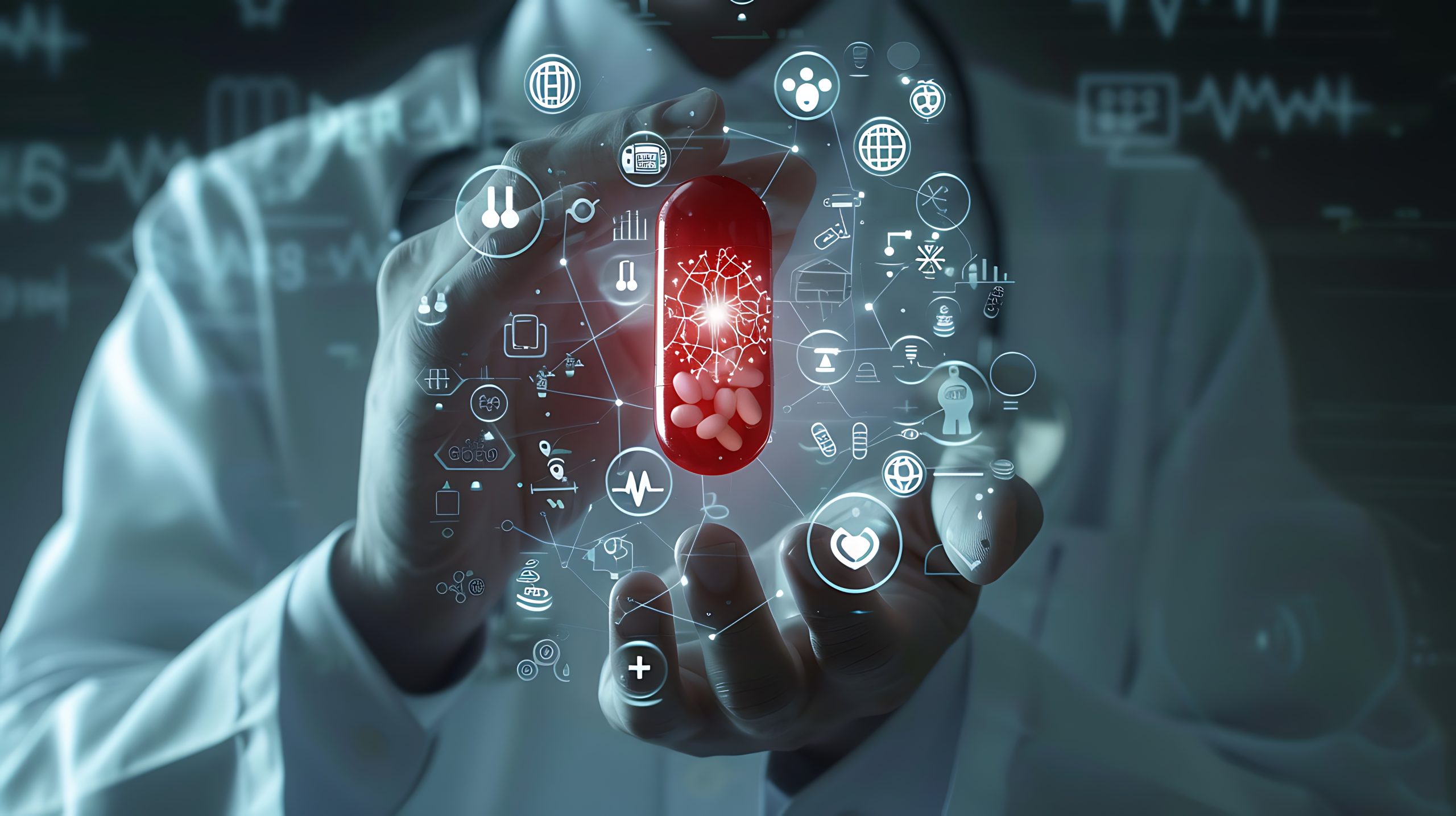
Healthcare is undergoing a remarkable transformation. Moving beyond the traditional “one-size-fits-all” approach, modern medicine is shifting toward treatments that are tailored to the individual. This evolution, known as precision medicine or personalised healthcare, is redefining how diseases are diagnosed, managed, and prevented.
At its core, precision medicine recognises that every patient is unique. Factors such as genetics, lifestyle, and environment influence how individuals respond to illnesses and treatments. By understanding these differences, healthcare professionals can design targeted therapies that are more effective, efficient, and often associated with fewer side effects.
Understanding Precision Medicine
Precision medicine focuses on delivering the right treatment to the right patient at the right time. Instead of applying standard treatments to all patients with the same condition, this approach uses data-driven insights to guide clinical decisions.
Advancements in genomics, data analytics, and biotechnology have made it possible to analyse a patient’s genetic makeup and predict how they might respond to certain medications or therapies. This allows doctors to move away from trial-and-error methods and toward more accurate, personalised care.
The Impact on Modern Healthcare
The benefits of personalized healthcare are far-reaching. In fields such as oncology, precision medicine has already transformed treatment strategies. Targeted therapies can now identify specific genetic mutations within cancer cells, enabling more focused and effective interventions.
Beyond treatment, precision medicine also enhances early detection and prevention. By identifying genetic predispositions to certain diseases, healthcare professionals can recommend proactive measures, often preventing conditions before they fully develop.
This shift not only improves patient outcomes but also contributes to a more sustainable healthcare system by reducing unnecessary treatments and hospitalisations.
The Role of Future Healthcare Professionals
As healthcare becomes increasingly data-driven, the role of medical and health science professionals is evolving. Future practitioners will need to interpret complex data, understand genetic information, and apply scientific insights to patient care.
This makes early academic preparation more important than ever. Students aspiring to enter healthcare must develop a strong foundation in the sciences, along with critical thinking and analytical skills that enable them to navigate emerging medical technologies.
At Manipal University College Malaysia, programmes such as the Foundation in Science (FIS) are designed to equip students with these essential competencies. By building a solid grounding in scientific principles and fostering analytical thinking, the programme prepares students to engage with advanced concepts like precision medicine in their future studies.
Preparing for the Future of Medicine
The rise of precision medicine signals a broader shift toward more patient-centred care. As technologies continue to evolve, healthcare professionals will be expected to integrate scientific knowledge with personalised treatment strategies.
For students, this means that education is no longer just about understanding established medical practices, it is about preparing for a future where innovation, data, and individualised care intersect.
A strong academic foundation, combined with the ability to adapt to new advancements, will be key to thriving in this evolving landscape.
A New Era of Healthcare
Precision medicine is not just a trend, it represents the future of treatment. By focusing on individual differences and leveraging scientific advancements, personalised healthcare is set to improve outcomes, enhance patient experiences, and transform the way medicine is practised.
As this new era unfolds, institutions like Manipal University College Malaysia play a crucial role in preparing the next generation of healthcare professionals. Through programmes that emphasise strong scientific foundations and forward-thinking education, students are empowered to become part of a healthcare system that is more precise, personalised, and impactful than ever before.