
How Medical Education Is Adapting to Changing Patient Expectations
How Medical Education Is Adapting to Changing Patient Expectations

How Medical Education Is Adapting to Changing Patient Expectations
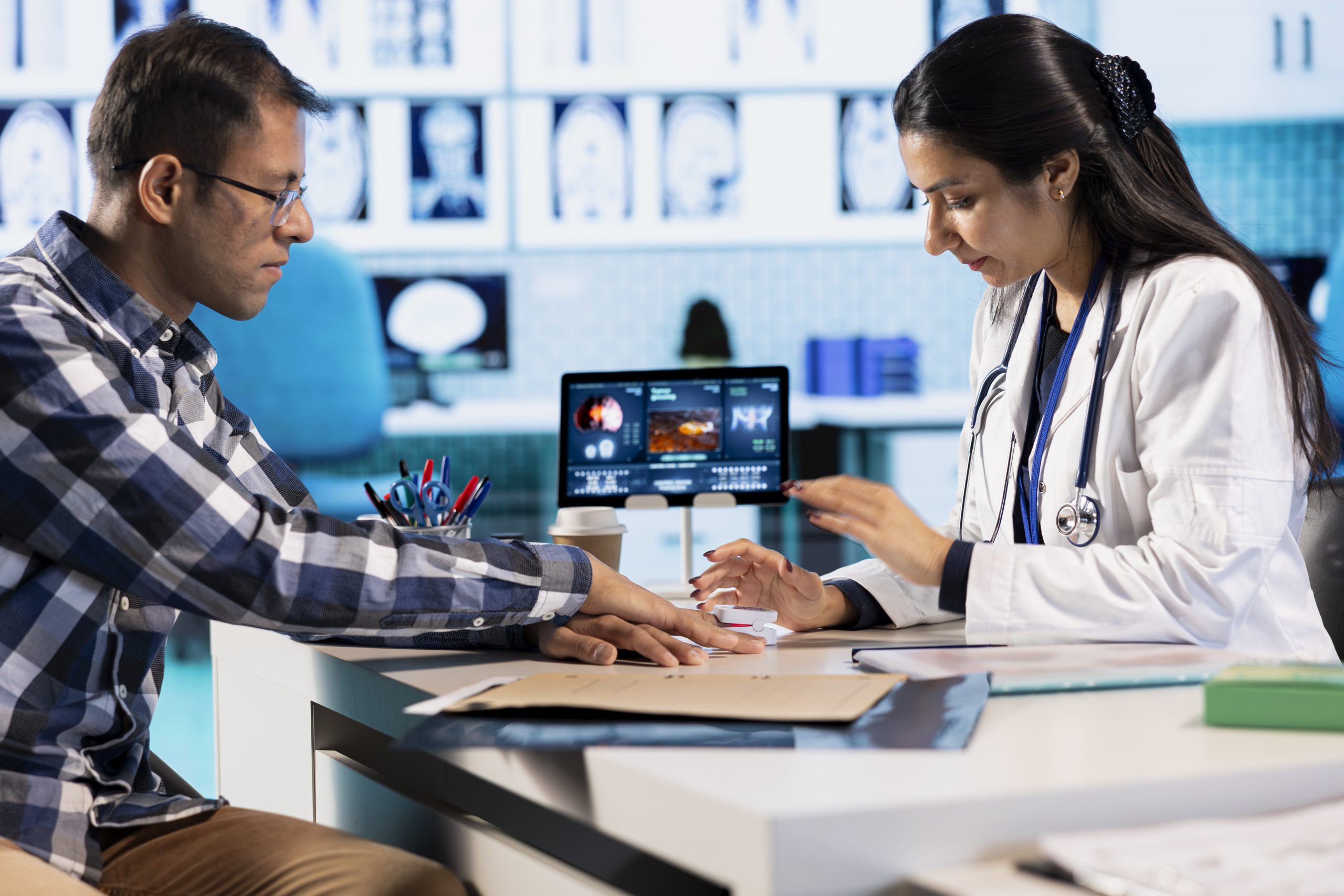
Healthcare is evolving at an unprecedented pace. Patients today are more informed, more connected, and more engaged in their own care than ever before. In this transformative environment, medical education must evolve too, preparing tomorrow’s clinicians not just to treat disease, but to understand nuanced patient expectations, embrace innovation, and deliver empathetic, evidence-based care.
At Manipal University College Malaysia, this evolution is more than a trend, it’s a deliberate trajectory of academic design, clinical exposure, and professional development.
Responding to the Informed Patient
The digital age has democratised medical information. Patients arrive at consultations with knowledge gained from reputable journals, online portals, and community forums. While this empowers patients, it also creates complexity in clinical communication. Future clinicians must be adept at interpreting patient-sourced information, validating accurate concerns, and gently correcting misconceptions, all while maintaining trust.
Medical curricula are adapting to this reality by placing heightened emphasis on communication skills. Through simulated patient interactions, reflective practice exercises, and structured feedback, students learn to listen actively, explain complex concepts in accessible terms, and partner with patients in shared decision-making.
Embracing Patient Centricity
Modern patients expect personalised care that respects cultural nuance, individual values, and quality-of-life considerations. Traditional medical training, which historically prioritised disease classification and treatment algorithms, is shifting toward holistic understanding. Today’s learners are being trained to integrate psychosocial factors, social determinants of health, and patient preferences into clinical decisions.
This patient-centric approach doesn’t conflict with medical science; it elevates it. A diagnosis is no longer just a label; it’s a conversation that involves patients as collaborators in their health journeys.
Technological Integration in Education
Rapid advancements in digital health, including telemedicine, wearable monitoring devices, artificial intelligence, and electronic health records, are redefining clinical practice. Patients now interact with healthcare systems in digital spaces before ever stepping foot in a clinic.
To prepare students for this reality, curricula must incorporate technology fluency. At Manipal University College Malaysia, learners are exposed to digital tools, informatics systems, and simulated telehealth environments. These experiences cultivate adaptability, enhance diagnostic efficiency, and increase comfort with platforms patients increasingly use for consultations, follow-ups, and monitoring.
Cultivating Cultural Competence
Malaysia’s multicultural tapestry reflects a broader global trend toward diverse patient populations. Patients expect care that honours their cultural identities, language preferences, and belief systems. Medical education now prioritises cultural competence not as an elective, but as an essential clinical skill.
Through interdisciplinary learning, community placements, and guided reflection, students develop the sensitivity required to navigate cultural differences respectfully and effectively. This enhances both therapeutic rapport and health outcomes.
Prioritising Ethical and Empathetic Care
Changing patient expectations extend beyond technical competence; they encompass trust, transparency, and empathy. Patients want to be heard, respected, and involved in decision-making. Medical education is rising to this challenge by weaving ethical reasoning and emotional intelligence into clinical training.
Learners engage in ethics forums, narrative medicine exercises, and mentorship programmes that emphasise compassion in action. These experiences reinforce the principle that medicine is not merely a science, it is a human endeavour rooted in dignity, respect, and care.
The modern patient demands more than clinical expertise, they demand collaboration, understanding, and adaptability. At Manipal University College Malaysia, medical education is responding with forward-looking strategies that equip future clinicians to meet these expectations with confidence and compassion. In shaping practitioners who are scientifically sound and deeply attuned to patient needs, education itself becomes an instrument of transformative care.