
Clinical Exposure Matters: How Early Patient Interaction Shapes Better Doctors
Clinical Exposure Matters: How Early Patient Interaction Shapes Better Doctors

Clinical Exposure Matters: How Early Patient Interaction Shapes Better Doctors
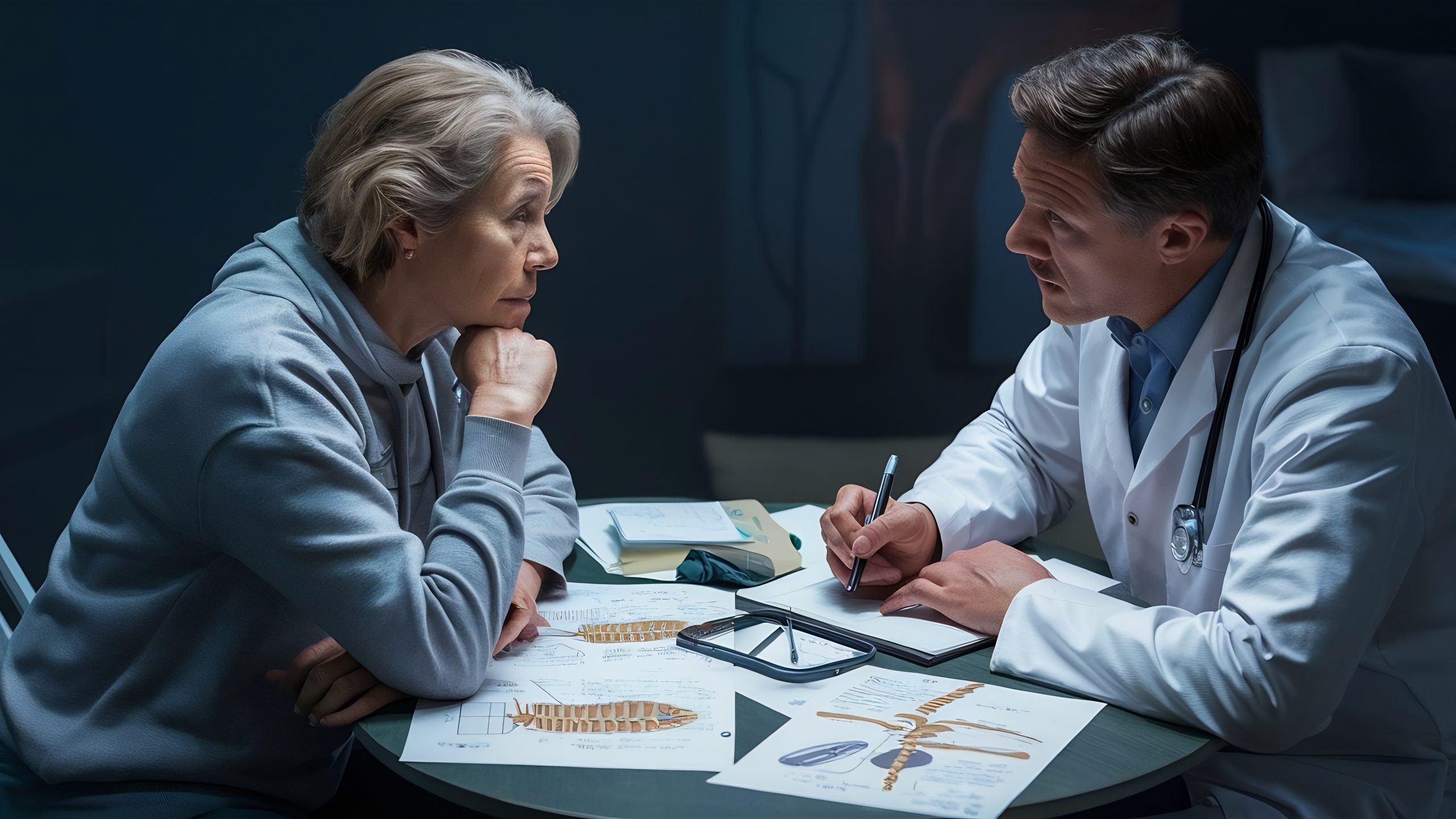
In the ever-evolving landscape of medical education, academic excellence alone no longer defines the measure of a competent physician. Today’s healthcare challenges demand clinicians who are not only scientifically adept but also emotionally intelligent, culturally sensitive, and deeply patient-centred. At Manipal University College Malaysia, we believe that early clinical exposure is not an add-on to medical training, it is the very foundation upon which exceptional doctors are built.
Transforming Theory into Practice
From the first semester to final year, a traditional medical curriculum equips students with the scientific knowledge needed to understand disease processes. However, without real-world application, this knowledge remains abstract. Early patient interaction bridges this gap. When students step out of lecture halls and into clinical environments, interacting with patients, observing examinations, and participating in care under supervision,they begin to translate theory into meaningful practice.
This transition ignites clinical reasoning. Instead of memorising symptoms, students start to listen, observe and correlate. The process deepens understanding and enhances retention of key medical concepts. More importantly, it introduces learners to the complexity and variability of human health, nuances that can never be fully captured in textbooks.
Cultivating Compassion and Communication
Medicine is as much about human connection as it is about biology. Early clinical exposure invites students into the world of patients, often at their most vulnerable moments. These experiences build empathy, teaching future doctors to see beyond diagnoses and lab results to understand the lived experience of illness.
Communication skills develop organically through repeated patient interaction. Students learn to ask questions with sensitivity, explain complex information in accessible ways, and adapt their approach to diverse age groups and cultural backgrounds. These are the competencies that underpin trust, a central pillar of the patient-doctor relationship.
Building Confidence and Professional Identity
For many students, the first clinical encounter is a rite of passage. It marks the shift from learner to practitioner-in-formation. Early exposure accelerates professional identity formation, students start to see themselves as future doctors, not just learners of medicine.
Facing real patients with real concerns fosters confidence. Under the careful guidance of experienced clinicians, students refine their clinical skills, learn to prioritise tasks, and navigate the emotional dimensions of care. Each meaningful interaction layers competence with confidence, preparing them for more advanced responsibilities in later years.
Strengthening Cultural Competence in a Diverse Society
Malaysia’s multicultural fabric presents both richness and complexity in healthcare delivery. Early clinical experiences in this environment offer students a unique opportunity to engage with patients from diverse cultural, linguistic, and socio-economic backgrounds. These encounters cultivate cultural humility and adaptability, critical traits for physicians serving global communities.
At Manipal University College Malaysia, clinical placements are structured to expose students to a spectrum of healthcare settings. This diversity not only broadens clinical acumen but also fosters respect for varied health beliefs and practices, nurturing truly holistic practitioners.
The Ripple Effect on Healthcare Outcomes
Doctors who have developed strong communication skills, empathy, and clinical judgment early in their training are better equipped to deliver high-quality care. Research consistently links patient-centred communication to improved adherence, enhanced patient satisfaction, and better clinical outcomes. By embedding early clinical exposure into its curriculum, Manipal University College Malaysia invests not just in individual students, but in the future of healthcare.
Conclusion
Becoming a great doctor is far more than mastering medical science. It is learning to listen deeply, think critically, and care compassionately. Early clinical exposure, woven thoughtfully into medical education, shapes students into professionals who understand patients not as cases, but as human beings.
At Manipal University College Malaysia, we don’t just train doctors. We nurture empathetic healers and confident leaders, ready to transform healthcare, one meaningful patient interaction at a time.